TallyKhata replaced the paper khata for Bangladesh's micro-merchants. Two weeks in their shops showed the hardest moment wasn't the missing money. It was asking for it.
- Act IThe problem
- 78% of micro-merchants kept their books on paper. Debts were forgotten, pages got lost, and every dispute was one word against another.
- Act IIThe insight
- Two weeks in shops across Dhaka and Chittagong showed the real pain: not the missing money, but the social cost of asking for it.
- Act IIIThe answer
- Let the app do the asking: an SMS receipt for every entry, a polite reminder with a pay link, and a record both sides trust.
Try the app
The final design, playing on its own. Tap the pulsing dot to take over, or switch to MVP · 2021 to see the screen each step replaced and what it taught us.
- Step 01 / 03
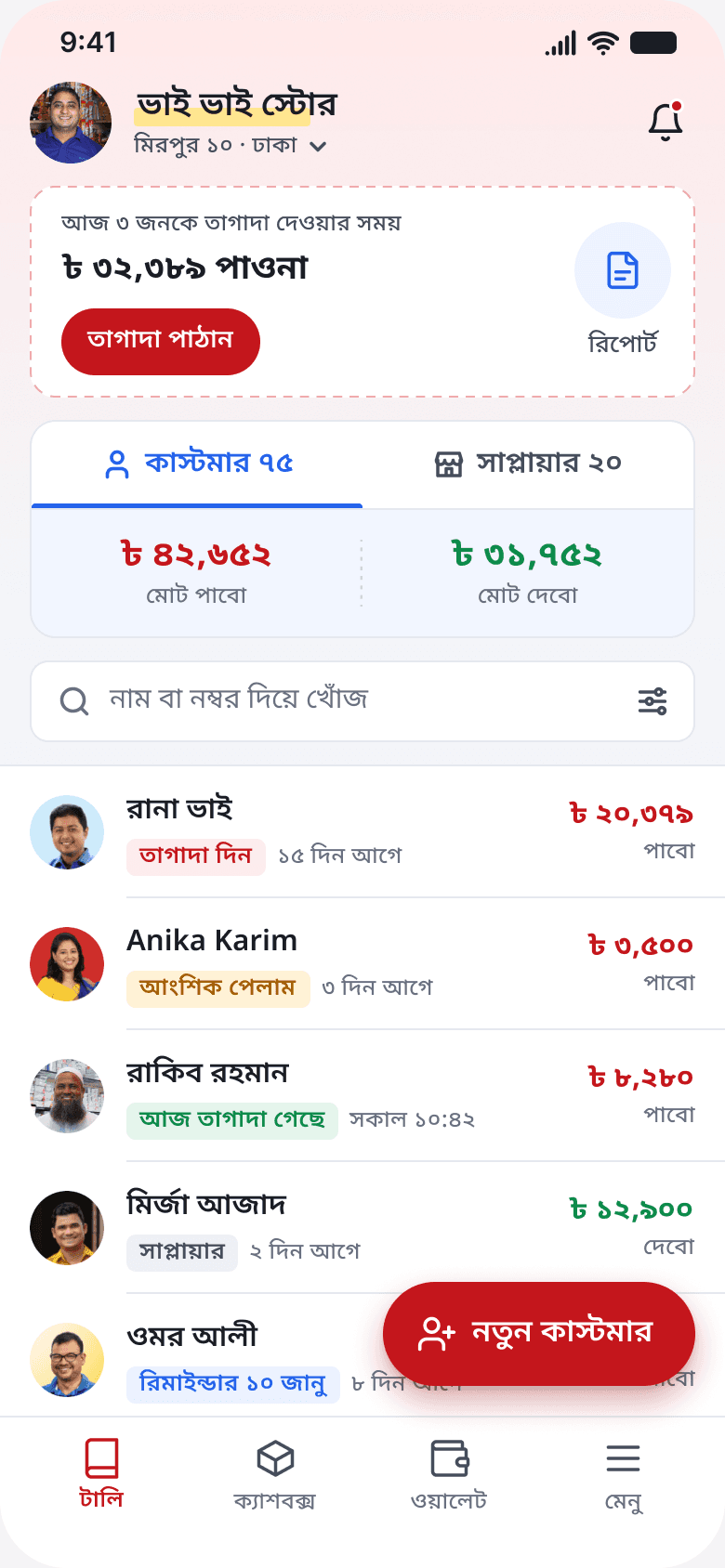
Who owes and how much comes first, with today's reminders in their own card and a status tag on every customer. Tap Rana to record.
Overview
Problem
Bangladesh runs on baki: credit between a shopkeeper and the neighbours they serve. Every Pohela Boishakh, shops open a new hal khata and invite customers to settle up over sweets. The rest of the year lives in a paper notebook that gets lost, smudged or disputed, and without a record there is no accountability for credit.
Solution
A free Bangla ledger: every entry texts the customer a receipt, reminders carry a pay link, and Home shows who owes what, right now. The final design also tells the shop when the money lands.
- Team
- 4 designers · 9 engineers · 2 product managers
- Tools
- Figma · Monday · Miro · Notion
- Constraint
- Bangladesh Bank Mobile Financial Services regulations
Lead Product Designer, with compliance built in
I led design from the first field visit to developer handoff. The product ran under Bangladesh Bank's Mobile Financial Services rules, so consent and confirmations were designed in from day one.
- Research with 150+ merchants and 12 usability tests
- The experience, from first entry to getting paid
- The design system and its accessibility rules
- Alignment across product, tech and compliance
Impact
The final design
A home that answers first
“How much am I owed?” answered before it's asked.
Day one is a three-step checklist. Every day after, Home opens on who owes and how much, today's reminders, and a status tag on every customer. Search doubles as add.
The MVP proved the debt total is the screen's whole job, so it leads.
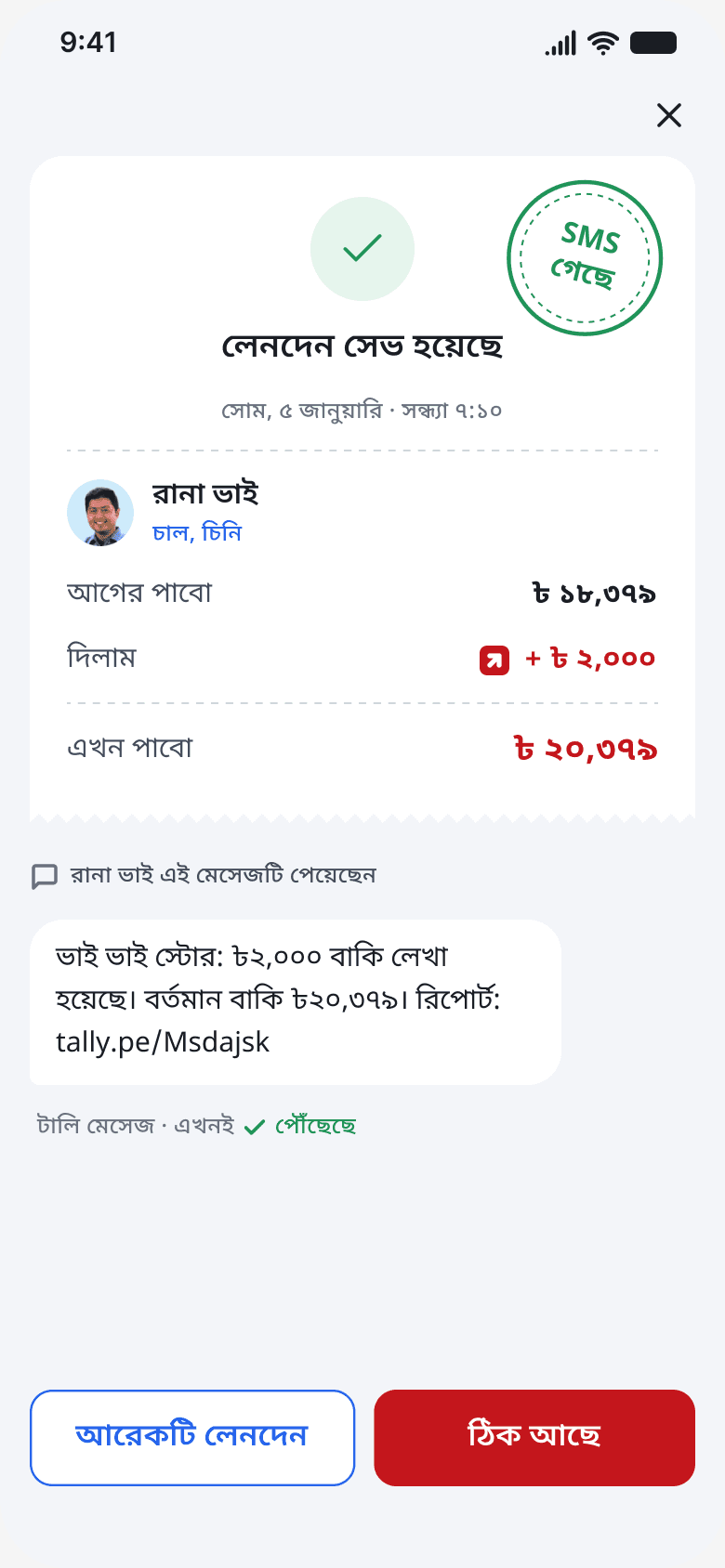
A receipt, not a toast
The app became the proof.
Every entry ends on the receipt the customer received, stamped as sent. Edits keep a history and send a correction SMS, and deletes can be undone for 30 days.
“Now when a customer says they paid, I just show them the app. And when they haven't, the SMS proves it. No arguments.”
Customer reports
Financial data for people who never used a spreadsheet.
The statement reads like the paper khata, with a running balance on every row. The report shows whether a customer is slipping, and the days they usually pay.
Progressive disclosure. Summary first, detail on demand.
Reminders with a memory
One tap to remind. Nobody chased twice.
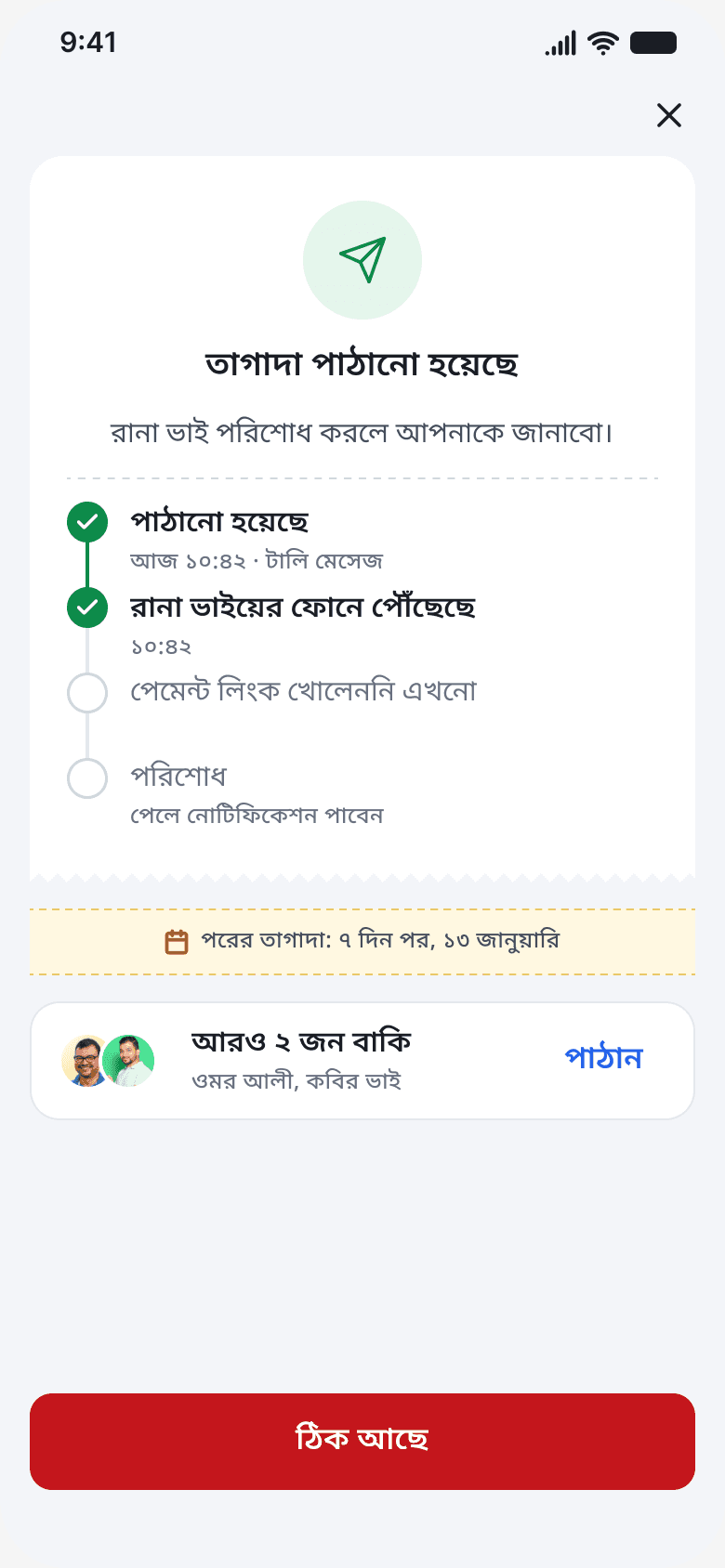
Select everyone who owes, skip anyone reminded today, preview the SMS exactly as it arrives, and add a pay link. A tracker then shows delivered, opened and paid.
Get paid, and know it
The loop the MVP left open, closed.
The customer pays from the SMS with bKash, Nagad or card, no app needed. The shop gets a lock-screen alert, and the khata settles itself.
Built on the MVP's three-tap collection, which cut collection time by 74%.
Cash management
The evening's sums, done as you go.
Cash in and out reuse the khata's entry pattern, so there's nothing new to learn, and the day closes on one shareable summary.
“Before TallyKhata, I didn't know how much I earned and spent until I did all the calculations at night, or how much I owed that day. Now I can see it instantly by opening the app.”
The real cost wasn't the money. It was asking for it.
Two weeks in shops and market stalls across Dhaka and Chittagong, before any survey.
Two weeks behind the counter
We watched merchants write in worn notebooks, add up pages at closing time, and steel themselves before telling a customer to their face: “You still owe me.”
Credit here is a relationship, so every reminder put a friendship at risk.
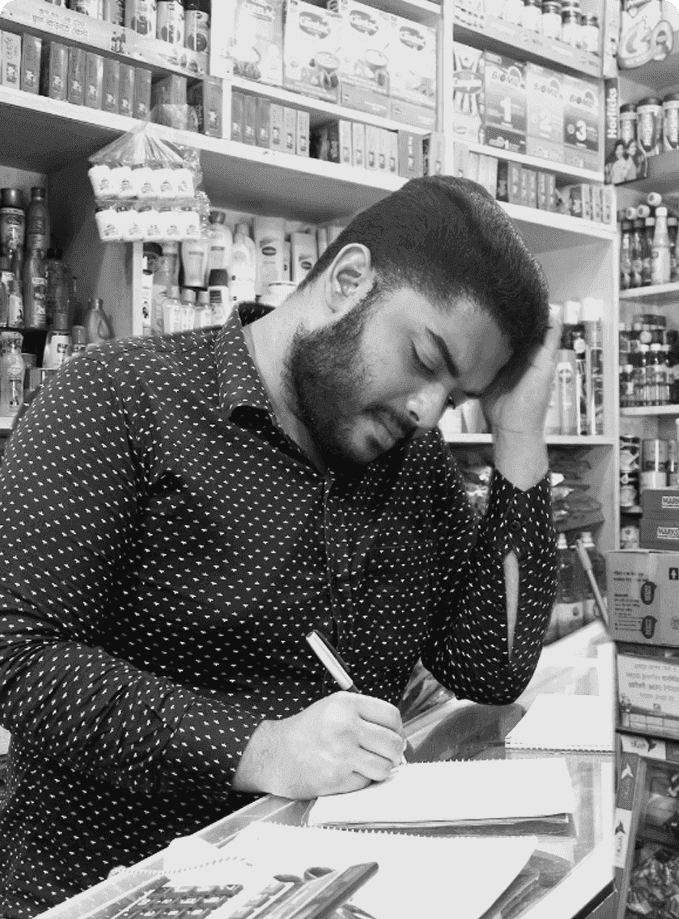
“I lose track of who owes me. Without proof, some deny it. I feel stuck: I can't push back without risking the relationship.”
150+ merchants, four districts
Three people we designed for
Three personas, each with a different relationship to credit.

Abul Mansur Khan, 53
“Send monthly reminders for credit, and know the value of my cash sales.”
- Match the cash box every evening
- Remind customers about credit
Finding a customer's old history

Shirin Akter, 49
“Keeping track of credit and supplier details without errors would make my life easier.”
- Track credit simply
- Get automatic payment reminders
Credit details lost in the paper record

Billal Hossain Totul, 32
“Monitor my digital transactions and engage customers with offers.”
- Monitor digital payments
- Send customers monthly reports
Fear of losing the book
Six things we learned
Paper forgets
Forgotten debts, torn pages and handwriting nobody can read cost real income.
SMS reaches everyone
Even feature phones get SMS, and merchants already reminded people by hand on WhatsApp.
Nobody knew the total
Not one owner we met knew their outstanding debt or monthly cash flow.
Asking has a social cost
Chasing a neighbour for money is embarrassing. The app should do the asking.
Five seconds, or paper wins
If recording is slower than writing it down, traders go back to the notebook.
Proof builds loyalty
Merchants showed the app to customers: “Look, the record is here.”
What a notebook can't do: remind, prove, add up
The research became one brief, measured against the market leader and the habits it had to replace.
Where TallyKhata stood
Measured against SManager, the market leader, and the real competition: paper notebooks and WhatsApp.
- Bangla-first, usable at every literacy level
- An SMS to the customer on every entry
- Free, so it spreads shop to shop
- Home didn't explain the money
- Collecting a due took several screens
- The SMS switch was hard to find
From insight to brief to feature
| Insight | How might we… | We designed | Result |
|---|---|---|---|
| Five seconds, or paper wins | …record faster than a notebook? | One-tap entry | 40M entries recorded |
| Asking has a social cost | …remind without confrontation? | One-tap reminders | 3× 30-day retention |
| Nobody knew the total | …show the money at a glance? | A dues-first Home | Dues on the first screen |
| Collecting was scattered | …get paid by bKash, Nagad or card? | Three-tap collection | 47 s → 12 s |
| Customers want control | …keep SMS welcome, not spam? | A switch on every entry | Fixed after 7 of 12 missed it |
Paper first, then twelve merchants
Flows, sketches and wireframes, then a prototype in the hands of real shopkeepers.
Every path, before a single pixel
From wireframe to prototype
Engineering and business in the room
Before anything was final, DevOps, QA, product and business marked up the wireframes and dot-voted the best ideas, so what we designed could ship.
Usability test · 12 merchants
Home didn't explain the money
The dashboard showed numbers, not meaning.
Home now leads with dues, then the debtors.
An SMS switch nobody found
7 of 12 missed the toggle; some customers felt spammed.
A visible switch on every entry, so the shop decides.
Collecting took too many screens
Merchants also wanted bKash, Nagad or card.
One payment page, three taps to paid.
The payment flow, timed
Five architectures tested. The first confirmed every step, and users kept asking “am I done yet?”
Average seconds to collect a payment, replayed 8× faster.
Shipped to learn, not to be finished
One bet: a free Bangla ledger with an SMS behind every entry could replace the khata. We shipped just enough to prove it.
A system, not a style guide
Every colour token passed WCAG 2.1 contrast, every touch target is at least 44 pixels, and every component went through accessibility QA. Front-end work doubled in speed.
The MVP, end to end
In the shop
TallyKhata's own film: add your customers, and credit never ends in a misunderstanding.
Product video by TallyKhata, in Bangla.
What the MVP proved
What the MVP taught us, built into one system
My last project before leaving: 33 screens rebuilt from the MVP's data. Handed over in late 2023, so no live numbers yet.
A reminder isn't done when it's sent
60% of reminders were paid within 48 hours, but nothing told the shop.
A pay link, a lock-screen alert, a self-settling khata.
Reminders need a memory
The list forgot today's reminders, so a customer could be chased twice.
Status tags; today's reminders greyed out.
The SMS is the product
Disputes fell because both sides held the same record; a silent edit breaks that.
History, correction SMS, 30-day undo.
Value starts at the first customer
New shops met an empty list; value began at the first SMS.
A three-step checklist, phonebook first.
Digits you can read
In Hind Siliguri, ১ reads like an “s” at small sizes, in an app made of amounts.
Noto Sans Bengali.
Where the MVP stopped
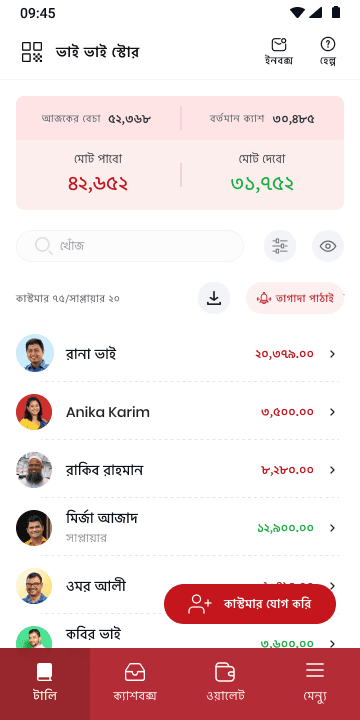
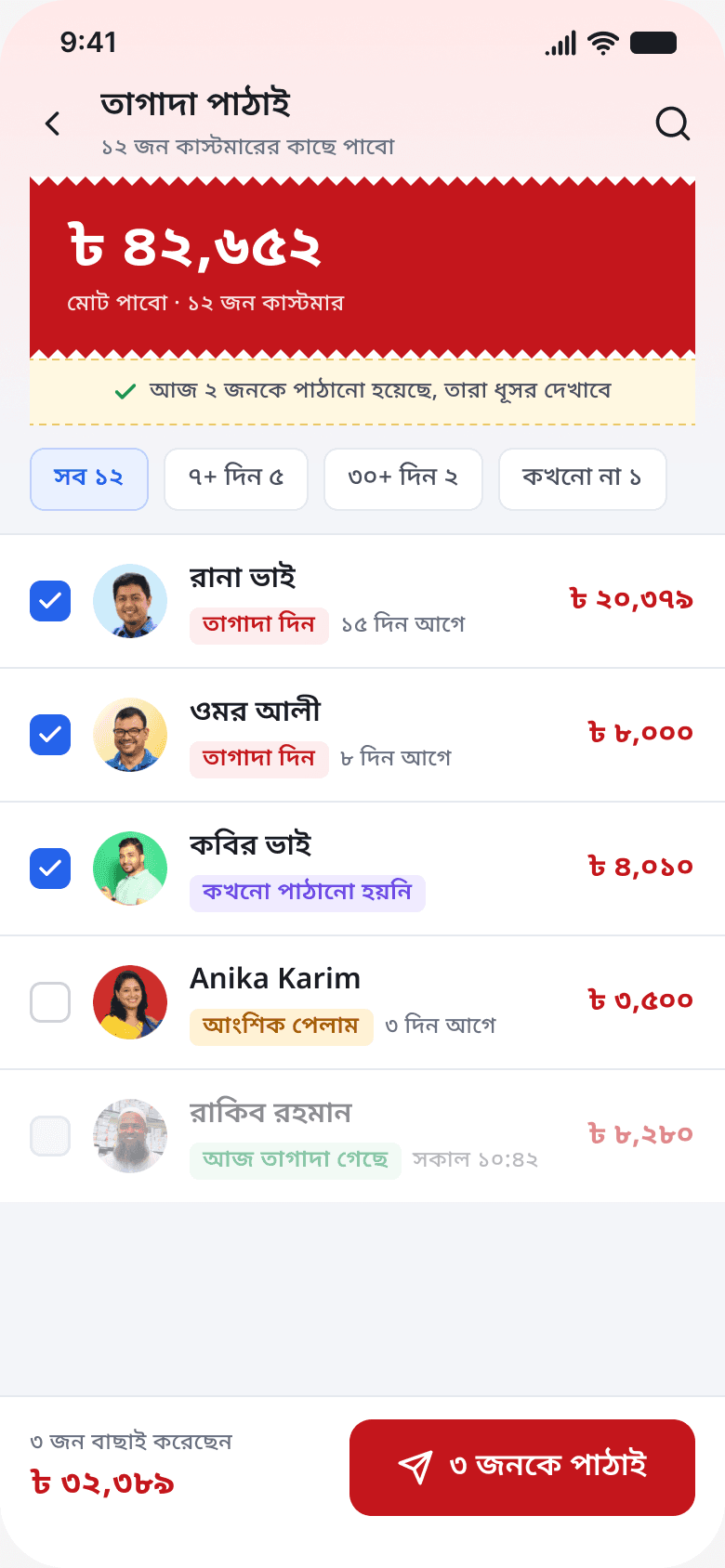
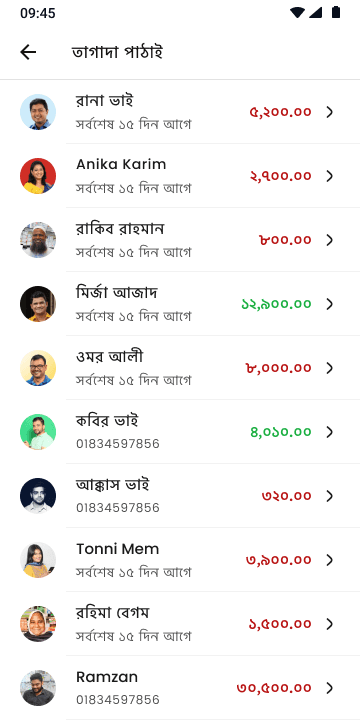
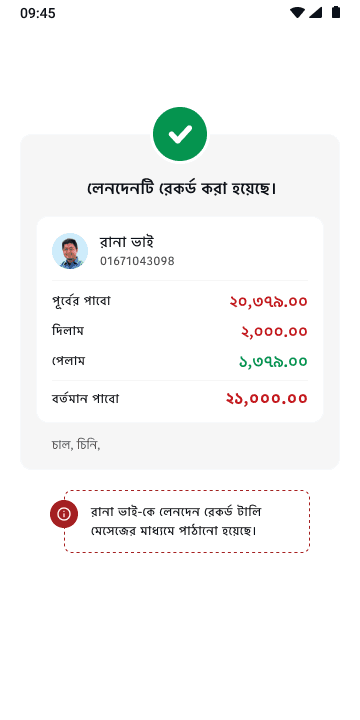
The loop, in motion
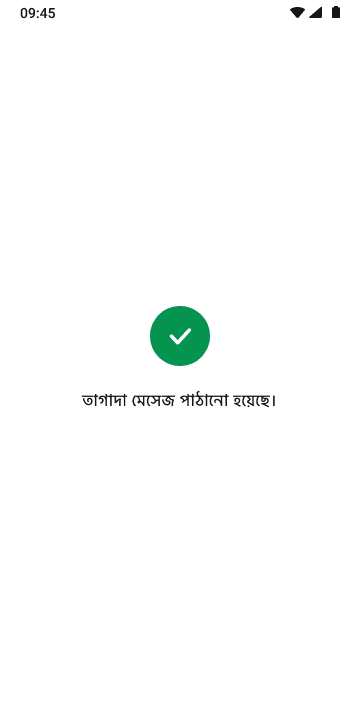
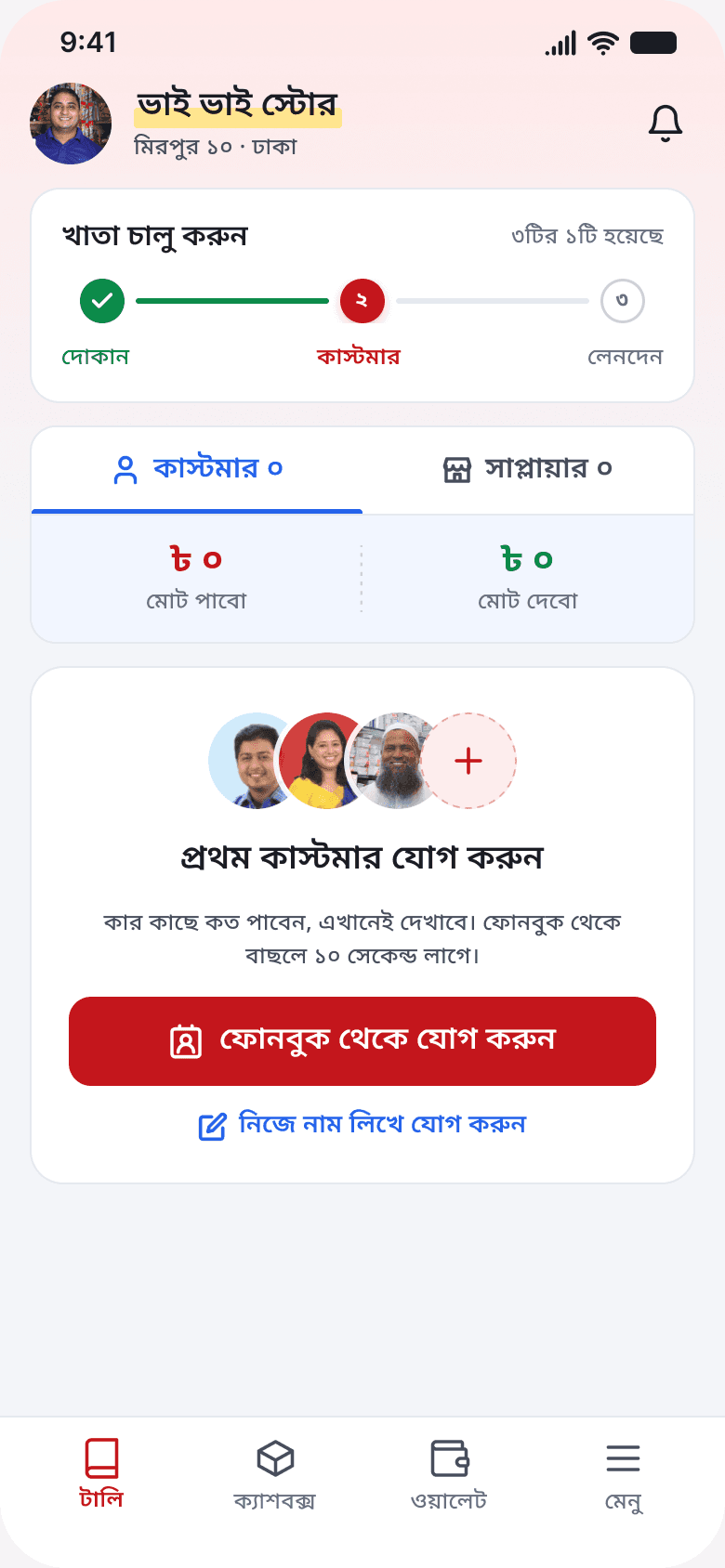

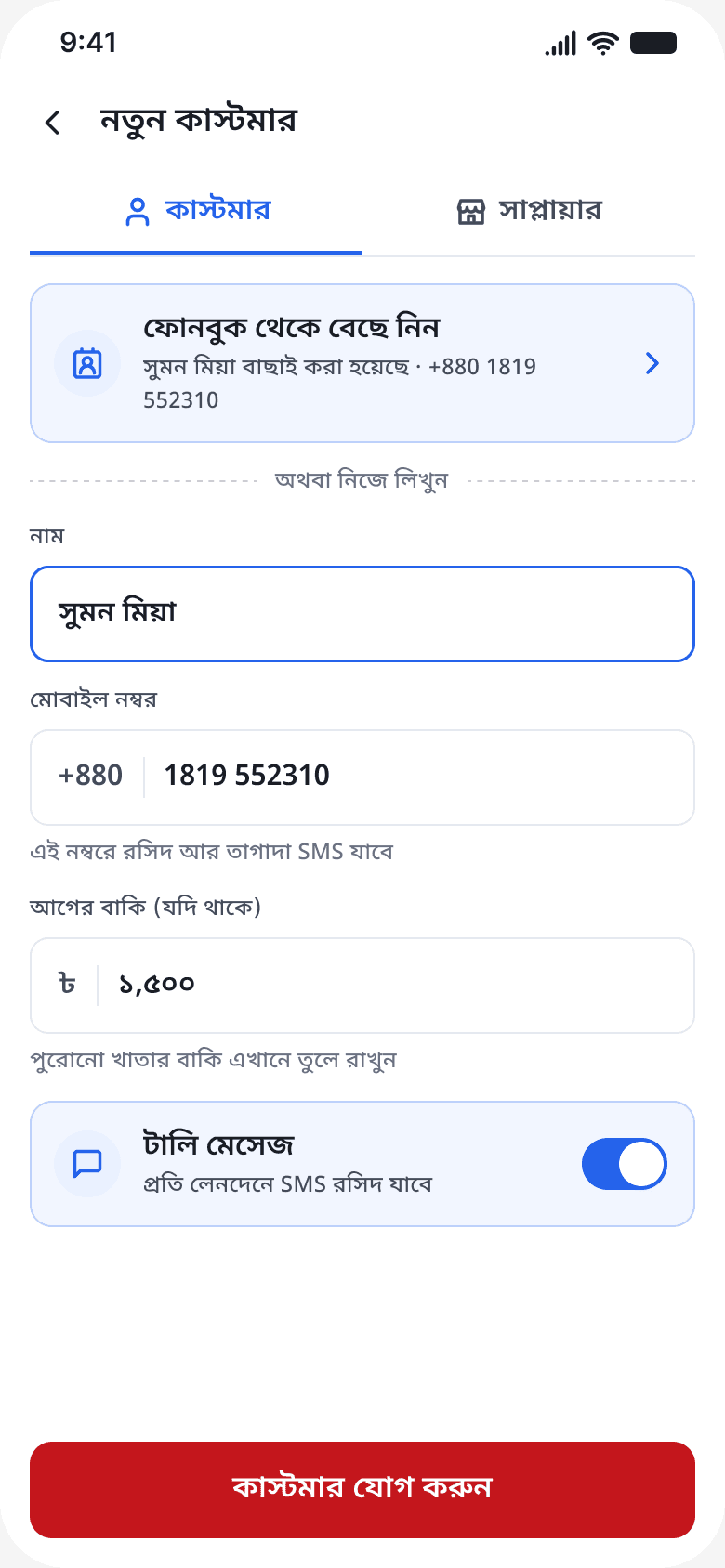
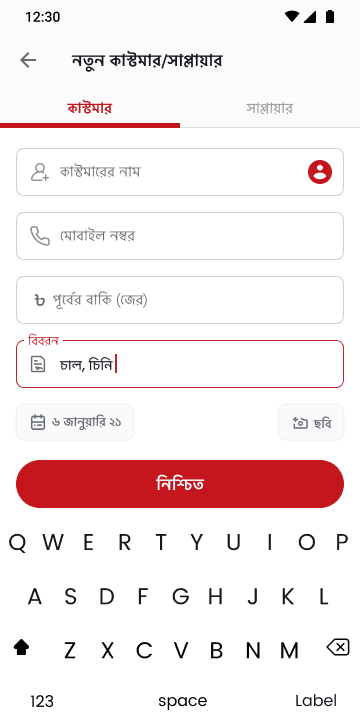
How I'd know it worked
| Change | MVP signal | Metric it should move |
|---|---|---|
| Close the loop | 60% paid within 48 hours, no signal back | Days to collect · payments recorded automatically |
| Reminders with memory | A customer could be reminded twice a day | Reminders per paying customer |
| Trust you can see | Disputes fell with a shared record | Disputes per 1,000 entries |
| First win | Value only after the first SMS | New shops with an entry on day one |
| Digits you can read | ১ misread as “s” | Amounts corrected within a minute |
One system behind 33 screens
Every new screen, by journey
I thought literacy was the barrier. It was trust.
What I'd change, and what I'd keep.
What I'd do differently
Instrument analytics before launch
We kept the old tracking and lost six weeks of data. Now analytics are planned before development.
Privacy by design, not by patch
We overlooked consent and data ownership. For Europe, data control starts at the first wireframe.
Three principles I carry
Constraint is the best teacher
Low literacy, patchy networks and budget phones made every decision essential.
5.35M users, no paid acquisition
Trust is a deliverable
The SMS receipt wasn't in the brief. Research put it there, and it became the product.
11M SMS a month
A system compounds
Tokens and 44px targets pay back every sprint.
2× velocity, 60% fewer visual errors
Have a similar problem? Let's talk.
If anything here sounds like the work you need shipped, get in touch. I reply within a day.
Start a conversation